Luckster casino app: what was available on phones and what is not verified now
 Available in GB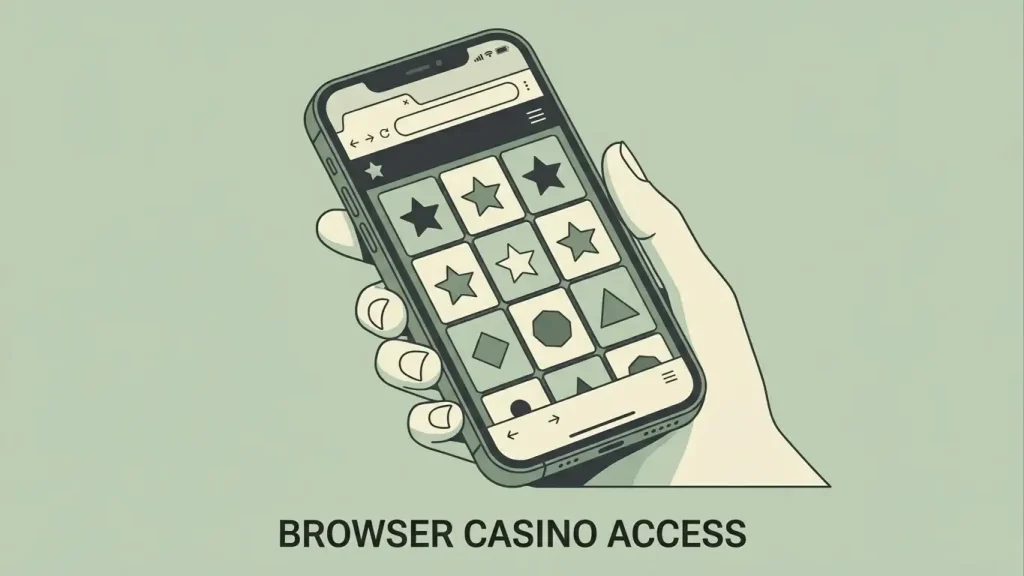
Luckster was consistently described as usable through a mobile-optimised browser. The native-app record is less consistent: some historical reviews tested an Android app and said iPhone users relied on the browser, while other reviews described Luckster as having no dedicated app at all. That conflict is exactly why an old “download the Luckster app” instruction should not be treated as current guidance.
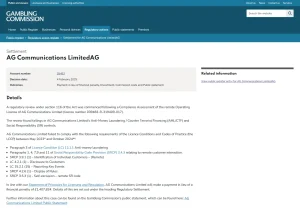
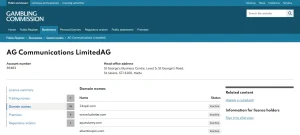
The present boundary is clearer. The UK Gambling Commission currently lists www.luckster.com as Inactive. The Luckster UK review uses that regulator status as the starting point for every current-use question. A current download link, APK, login route or App Store instruction for a Luckster casino app is therefore not supported by the available evidence.
Table of Contents
- Luckster's historical mobile browser experience is the strongest mobile fact
- Historical Android app claims exist, but they are not consistent enough for a current download recommendation
- Mobile website, PWA-style shortcut and native app are different products
- Do not use a matching app name as proof that a current Luckster casino is legitimate
- The phone experience was an interface layer over Luckster's casino product
- A current app review needs more than a image and a download button
- Side-loading would bypass the only checks that make a casino app useful to identify
- What the Luckster mobile record shows without promising a working app
- Browser access and app claims need separate checks
- Choosing a mobile format depends on what can actually be verified
- What historical mobile access actually confirms
Luckster’s historical mobile browser experience is the strongest mobile fact
Across older reviews, the browser version is the most consistent part of Luckster’s mobile story. Reviewers described a responsive site that adapted the casino interface for smaller screens and allowed games to be accessed without a separate download. That makes the mobile website a more reliable historical statement than any single claim about a native application.
A browser casino can feel similar to an app because the layout is responsive, menus are touch-friendly and the site can be opened from a home-screen shortcut. None of those features prove that a product is a native App Store or Google Play application.
Historical Android app claims exist, but they are not consistent enough for a current download recommendation
Casinomeister documented an unusual but useful test: its reviewer downloaded a Luckster Android app from Google Play, contacted support when an agent initially said there was no app, and later received confirmation that the Android app was genuine. The same review said iPhone users had to use the mobile browser.
Other sources reached a different conclusion. FIRST described Luckster as mobile-friendly but said it did not have a mobile app, while another review found no Luckster app in either major app store and focused instead on the browser experience. Still other historical casino pages claimed Android or even both-platform availability. Taken together, those records show that the mobile product changed or was documented inconsistently over time.
That disagreement should not be “resolved” by choosing the most convenient old review. The correct conclusion is narrower: the mobile browser was a well-established part of Luckster’s former service; a native Android app existed according to at least one detailed historical test; and no reliable current app presence is established for UK users now.
Mobile website, PWA-style shortcut and native app are different products
| Mobile format | How it works | What it proves about Luckster |
|---|---|---|
| Mobile-optimised website | Runs in Safari, Chrome or another browser and adapts to the screen. | Strong historical support across reviews. |
| Home-screen or PWA-style shortcut | Launches a web experience from an icon and may look app-like. | Does not by itself prove a native store app existed. |
| Native Android or iOS app | Installed as an application distributed through a store or another official channel. | Historical Luckster evidence is inconsistent and current UK availability is not established. |
This terminology explains why two reviewers can describe the same mobile service differently. A responsive browser product can be perfectly usable on a phone and still not be a native app.
Do not use a matching app name as proof that a current Luckster casino is legitimate
App stores can contain unrelated products with the same or similar names, and historical casino apps can remain indexed after a gambling brand changes status. A listing called “Luckster” is therefore not enough evidence on its own.
- Check the UKGC domain record. The exact gambling domain should be active under the operator before an app is treated as part of a live UK service.
- Confirm the developer identity. The store developer name should match the operator or an officially disclosed technology partner.
- Follow the official website link. A legitimate app should be linked from the verified operator’s current site rather than from an APK mirror or search advert.
- Check permissions and account routing. The app should connect to the same regulated account environment, not a lookalike registration flow.
Because the regulator currently marks Luckster’s domain inactive, this sequence stops at step one for present-day UK use. See Luckster UK status for the current availability evidence.
The phone experience was an interface layer over Luckster’s casino product
Historical mobile reviews describe access to the same broad casino categories found on the desktop service rather than a separate mobile-only catalogue. That is consistent with a responsive browser product: the game lobby, search and account areas are rearranged for a smaller screen while the underlying service stays the same.
For the game catalogue itself, including the provider history and why the current inactive status matters, use the Luckster games page. The separate Luckster live casino page covers the former live-dealer product without assuming that an old mobile route is still available.
The distinction is useful when reading old app reviews. A reviewer saying that casino games worked well “on the app” may be describing a native Android build, a mobile browser session or a web shortcut depending on the date and product version. The underlying game history can be valid even when the delivery method is described imprecisely.
A current app review needs more than a image and a download button
If Luckster ever returns to the UK market, a useful mobile review should verify the exact official domain, whether a native app is actually published, the developer shown by the store, and whether the app connects to the regulated account system. It should also test practical mobile tasks such as navigation, cashier visibility, account controls and access to safer-gambling tools.
Those are evaluation criteria, not present Luckster claims. The current record does not support saying that a working UK Luckster app offers deposits, withdrawals, registration or account controls today. Account availability and identity checks are covered separately on the Luckster account and KYC page.
Side-loading would bypass the only checks that make a casino app useful to identify
An APK mirror can preserve an old installation file long after the official service changes. It can also host a modified package or an unrelated app using a familiar brand name. That makes side-loading especially poor evidence for a gambling product, where operator identity and the regulated domain matter more than whether an application opens successfully.
Archived Luckster instructions are not a reliable direct login path. The useful distinction is between the old mobile product and a current regulated service, without using historical material as a shortcut around the current domain-status warning. The main Luckster review gives the wider context behind that conclusion.
What the Luckster mobile record shows without promising a working app
The historical evidence strongly supports a mobile-friendly Luckster website and shows that at least one detailed reviewer used a genuine Android app, while other sources said there was no dedicated app and iPhone users relied on the browser. That conflict makes a simple current “download Luckster” instruction unreliable. With the UK Gambling Commission listing the Luckster domain as inactive, the safest present-day conclusion is that the mobile history can be described, but a working UK casino app, download route or login path cannot be promised. Any future relaunch would need a fresh domain, developer and app-store verification before those claims change.
Browser access and app claims need separate checks
Mobile casino access can take different forms. Some services are designed around a browser experience that adapts to phone screens, while others provide a separate application. These options affect installation, updates and the way players reach available features.
For Luckster, separating the historical mobile experience from unverified application claims helps avoid confusion. A reference to mobile access in older material does not by itself prove that a current app can be installed or used. The most reliable approach is to distinguish confirmed information from assumptions about present availability.
Choosing a mobile format depends on what can actually be verified
A mobile casino page should separate technical convenience from confirmed availability. A browser version, an installed shortcut and a native application may look similar on a phone, but they rely on different technical approaches. For a historical brand record, the browser experience is the clearest reference because it describes access through a standard mobile device without requiring an additional installation step.
Users comparing old mobile information should pay attention to practical details such as page loading, account access, navigation and payment areas rather than relying only on app names or promotional descriptions. These elements explain how a mobile casino experience worked in everyday use and help distinguish a general mobile interface from a verified current service.
What historical mobile access actually confirms
Historical Luckster coverage consistently described a mobile-optimised browser experience that allowed access from phones without relying on a desktop environment. That type of responsive layout was intended to keep menus, game areas and account information usable on smaller screens.
Those historical descriptions support the existence of mobile-browser access, but they do not establish that the same account, game or payment functions are available today. Current mobile access would need to be verified on an active official service.