Luckster withdrawal time: what can still be verified about cashouts
 Available in GB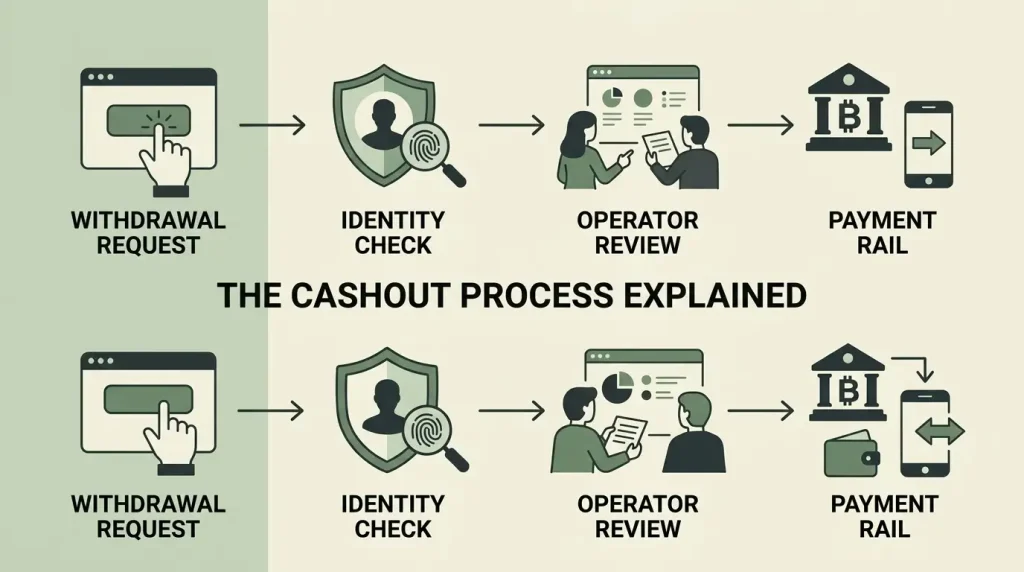
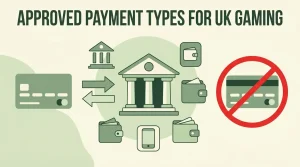
Older UK reviews show that Luckster supported withdrawals through several familiar banking routes, including debit cards, PayPal, Trustly, MuchBetter, Skrill and bank transfer. What they do not give us is a safe current Luckster withdrawal time, fee schedule or cashout limit. The UK Gambling Commission currently lists www.luckster.com as Inactive, so old numeric cashier tables should be read as historical records rather than live terms.
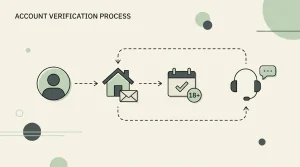
The current Great Britain baseline is clearer: remote licensees must verify a customer’s identity before allowing gambling, including at least name, address and date of birth. A withdrawal request should not be used to demand information that the operator could reasonably have requested earlier.
Table of Contents
- Historical withdrawal methods are easier to verify than current payout numbers
- UK rules are designed to stop routine ID checks being postponed until withdrawal
- The UK verification baseline is not a Luckster document checklist
- If Luckster returns, verify the withdrawal route in this order
- A published withdrawal time can mix operator review with payment-network delivery
- Start with the broader payment record before interpreting a withdrawal claim
- What can and cannot be claimed about Luckster cashouts today
- Why old withdrawal details need context
- Withdrawal information requires separation of method, review and delivery stages
- How to interpret the withdrawal process
Historical withdrawal methods are easier to verify than current payout numbers
Independent Luckster reviews overlap on the broad shape of the former cashier. Debit cards, PayPal, Trustly, MuchBetter, Skrill and bank transfer were listed for withdrawals, while Paysafecard was commonly presented as deposit-only. The broader Luckster payment methods record shows how those cashout routes sat alongside deposit options. That overlap is useful because it tells us how the old product worked at a category level.
Exact payout metrics are different. Historical reviews published minimum withdrawals, processing windows and, in some cases, daily or monthly limits. Those figures are sensitive to operator policy, payment-provider rules and account status. With the Luckster UK domain inactive, no current official cashier or terms page is available to validate those numbers. Repeating them as today’s rules would create false precision. The full Luckster review keeps that distinction between historical product detail and current availability throughout the site.
| Claim type | What the evidence supports | How it should be presented now |
|---|---|---|
| Withdrawal methods | Several cards, e-wallets and bank-based routes were historically available. | Historical fact, stated in past tense. |
| Exact processing time | Old reviews contain method-by-method figures. | Not a current claim without live official terms. |
| Minimum or maximum cashout | Legacy sources publish numbers that may no longer apply. | Omitted as a present-day figure. |
| Withdrawal fee | Some reviews described fee treatment. | Requires a current official cashier or terms check. |
| KYC baseline | UKGC rules require identity verification before gambling. | Current Great Britain regulatory context. |
UK rules are designed to stop routine ID checks being postponed until withdrawal
The UK Gambling Commission’s customer identity condition requires remote operators to obtain and verify enough information to establish a customer’s identity before that person is permitted to gamble. The minimum data points include name, address and date of birth.
The same rule matters at cashout. If an operator could reasonably have asked for additional information earlier, a withdrawal request should not suddenly become the trigger for that request. There can still be circumstances where an operator must obtain information later because another legal obligation arises, but that is not the same as treating withdrawal as the default moment for basic identity verification.
The UK verification baseline is not a Luckster document checklist
It is safe to say that a Great Britain remote operator must verify identity before gambling. It is not safe to invent a Luckster-specific list of passports, utility bills, bank statements or source-of-funds documents, nor a fixed turnaround time for those checks. The exact evidence requested depends on the operator’s process and on what it needs to satisfy at a particular point.
This distinction matters because old casino guides often turn a general regulatory requirement into a brand-specific promise. A statement such as “verification is completed in X hours” needs current Luckster evidence. That evidence is not available from a live official service. The separate Luckster account and KYC page covers registration and verification without converting market rules into an invented brand procedure.
If Luckster returns, verify the withdrawal route in this order
- Confirm the exact domain first. Check that the domain is listed as active for the relevant operator in the UK Gambling Commission register.
- Open the live cashier. Separate methods that accept deposits from methods that actually accept withdrawals.
- Read the current terms. Record the minimum, maximum, processing window and any fees only from the current official service.
- Check verification wording. Note what information may be requested and when, rather than assuming an old KYC flow still applies.
- Match the payment owner. Make sure the account and payment route meet the operator’s current ownership requirements before relying on any speed estimate.
The first step is not optional. The Luckster UK status page explains the current inactive-domain evidence and why a working-looking page or search result would not be enough on its own.
A published withdrawal time can mix operator review with payment-network delivery
Cashout tables often look precise because they assign a number of days to each method. In practice, a payout can involve more than one stage: the operator receives the request, any necessary account checks are completed, the operator releases the funds, and the payment provider or bank delivers them. A historical table may not tell you which part of that chain its number actually measured.
That is another reason not to rank old Luckster methods as “fastest” or “slowest” today. Even if a past review accurately captured a former processing window, the underlying operator workflow or provider relationship could have changed. The more useful distinction in 2026 is between historically documented method availability and currently verified operational terms. For Luckster, the historical method record is available, while current operational terms are not verified.
Start with the broader payment record before interpreting a withdrawal claim
The former Luckster cashier included debit cards, e-wallets and bank-based methods, which gives useful context for the withdrawal history. But a payment logo appearing in an old cashier does not prove that it was available in both directions. Paysafecard is a good example: it was historically listed for deposits but not as a general withdrawal route.
The main payments page separates historical deposit support from current Great Britain payment rules. That separation matters before you read any old cashout table, because a combined banking list can make a deposit-only product look like a withdrawal option.
For a broader view of how this fits into the site’s current assessment, the main review brings together domain status, historical products and the limits of what can be claimed now.
What can and cannot be claimed about Luckster cashouts today
Luckster had a documented withdrawal setup using several mainstream payment routes, and that history can be described directly in past tense. What cannot responsibly be published as live information is an exact Luckster withdrawal time, current cashout limit, current fee or fixed KYC timetable, because the official UK domain is inactive and no current cashier terms are available for verification. The durable current rule is the UKGC identity-verification baseline: basic identity must be verified before gambling, and routine information requests should not be deferred until withdrawal. That gives readers a reliable framework without turning stale numbers into false present-day promises.
Why old withdrawal details need context
Withdrawal information is one of the areas where older casino descriptions can become outdated quickly. Processing times, supported methods and account requirements depend on the service conditions that exist at a particular point in time.
A careful review separates general payment principles from claims about specific current cashout options. Identity verification, payment security checks and account status can all influence how withdrawals are handled when a casino service is operating.
Withdrawal information requires separation of method, review and delivery stages
A withdrawal journey usually contains several stages: the request made by the customer, any operator-side checks, processing by the payment method and final delivery to the chosen account. These stages can have different timeframes, so a single payout number does not always describe the complete process.
When evaluating historical withdrawal information, it is useful to distinguish between a payment option being mentioned and a complete current withdrawal process being available. Method availability, verification requirements and processing conditions can change over time, which is why each part of the process needs to be considered separately.
A clear withdrawal explanation should therefore focus on how the process works in principle and which details need confirmation before use. This approach gives a more accurate picture than treating old payment references as a guarantee of current cashout conditions.
How to interpret the withdrawal process
The withdrawal process usually involves selecting an available payment option, entering the required details and confirming the request through the account area. The exact steps can differ depending on the chosen method and the information required for processing.
Before submitting a withdrawal request, users should review the available options, processing conditions and any account requirements connected with the selected payment channel. Keeping account details accurate can help avoid unnecessary delays during payment handling.
Payment pages are most useful when they clearly explain the sequence of actions, available methods and important considerations. This allows users to understand how funds move from the account area to the selected payment destination.
Recommend

Luckster Casino games: slots, providers and the former UK library
Luckster information Historical game library Luckster's UK casino library should now be read as historical,...
Is Luckster safe? What the UKGC record does and does not show
Luckster information Licence and trust Luckster's historical Great Britain-facing material identified AG Communications Limited as...
Is Luckster Casino still open in the UK?
Luckster information Current UK status The strongest current evidence says UK players should not treat...

Luckster Casino bonus UK: what is current and what is historical?
Luckster information Bonus status A current claimable Luckster casino welcome bonus for UK players is...
Luckster payment methods UK: what the old cashier supported
Luckster information Historical banking, current UK rules Historical UK review sources consistently listed Visa and...

Luckster casino app: what was available on phones and what is not verified now
Luckster information Browser experience versus native app Luckster was consistently described as usable through a...
Luckster account, registration and KYC for UK players
Luckster information Account and verification There is no safe basis for publishing current Luckster sign-up...